
Iron is an essential mineral that plays a critical role in our overall health, impacting everything from energy levels to immune function. However, the need for iron varies between men and women, and understanding these differences is crucial for maintaining optimal health. This article touches on some of the reasons why iron is so important. We will look at some of the Recommended Dietary Allowances (RDA), and see why a balanced approach like offered by MDR Fitness Tabs ensures safety and effectiveness for both men and women.
The Vital Role of Iron in the Body
Iron is vital for several physiological functions, including:
• Oxygen Transport: Iron is a key component of hemoglobin, a protein in red blood cells that carries oxygen from the lungs to the rest of the body.
• Energy Production: Iron is involved in the production of adenosine triphosphate (ATP), the energy currency of cells, through its role in cytochromes, which are essential for electron transport in mitochondria.
• Muscle Function: Iron is a crucial part of myoglobin, a protein that supplies oxygen to muscles, ensuring their proper function and endurance.
• Heart Function: Iron is vital for maintaining heart health, as it supports the oxygenation of heart tissues and helps prevent heart failure by ensuring adequate energy production.
• Immune Function: Iron supports the immune system by helping white blood cells fight off infections.
• Cognitive Function: Adequate iron levels are linked to improved cognitive performance and a lower risk of neurodegenerative diseases [1].
Antioxidant Enzyme Requires Iron to Protect Cells
While Iron alone sometimes gets a bad name because it can cause oxidation, Iron plays a crucial role as a cofactor in the antioxidant enzyme catalase, which is essential for protecting cells from oxidative damage. Catalase is responsible for breaking down hydrogen peroxide, a potentially harmful byproduct of various metabolic processes, into water and oxygen. The presence of iron in the heme group of catalase is what enables the enzyme to catalyze this reaction efficiently. Adequate iron levels ensure that catalase functions properly, contributing to the body’s overall antioxidant defense system [2].
Recommended Dietary Allowance (RDA) for Iron
The RDA for iron varies based on age, sex, and life stage. According to the National Institutes of Health (NIH):
• Men: 8 mg per day
• Women (ages 19-50): 18 mg per day (due to menstrual losses)
• Women (51 and older): 8 mg per day
• Pregnant Women: 27 mg per day
The increased RDA for women of childbearing age reflects the higher iron needs due to menstruation. During pregnancy, iron needs escalate further to support the developing fetus and increased blood volume. Additional Iron supplementation may be useful for those with anemia, for those who take certain medications, for those who restrict meats, or are vegan, and for some people with heart conditions. In these cases, exceeding the RDA is helpful.
While iron is essential, too much can be harmful for those with a genetic condition called hemochromatosis, where iron accumulates in organs, leading to damage over time. Symptoms of iron overload include joint pain, abdominal pain, fatigue, and in severe cases, liver disease, heart problems, and diabetes [3]. Your Doctor would advise you as to your iron status and your condition.
Iron-Rich Foods
To meet daily iron needs, incorporate the following foods into your diet:
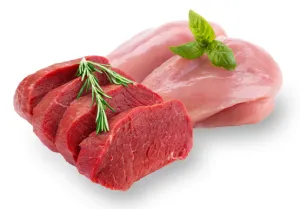
• Red Meat and Poultry: Beef, lamb, chicken, and turkey are excellent sources of heme iron, which is easily absorbed by the body. Chicken and calves liver are rich sources of iron. For those suffering with anemia, eating a plate of chicken livers regularly may be a healthy way to increase your iron stores.
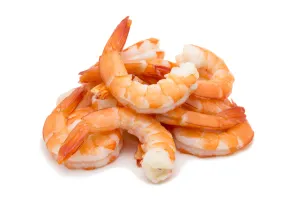
• Seafood: Shellfish like clams and shrimp are rich in iron.
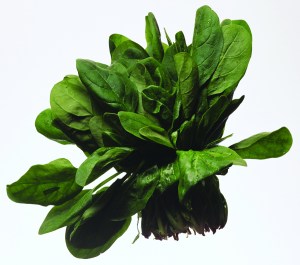
• Plant-Based Sources: Lentils, beans, spinach, and fortified cereals provide non-heme iron, which is less readily absorbed.
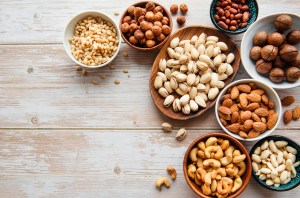
• Nuts and Seeds: Pumpkin seeds, cashews, and walnuts are examples of good plant-based sources of iron [3].
Symptoms and Prevalence of Iron Deficiency
Iron deficiency is one of the most common nutritional deficiencies worldwide. According to the World Health Organization (WHO), it affects over 25% of the global population, with higher prevalence among women, children, and individuals in low-income countries [4].
Symptoms of Iron Deficiency Include:
• Fatigue and Weakness: Reduced oxygen delivery to tissues leads to chronic tiredness.
• Pale Skin: Decreased hemoglobin levels can cause pallor.
• Shortness of Breath: Even with mild exertion, you may feel breathless.
• Headaches and Dizziness: Reduced oxygen supply to the brain can cause headaches.
• Cold Hands and Feet: Poor circulation due to low iron levels can result in cold extremities [3].
Additional Risk Factors for Iron Deficiency
Gastrointestinal Disorders and Surgeries
People with gastrointestinal disorders such as celiac disease, ulcerative colitis, and Crohn’s disease, or those who have undergone gastrointestinal surgeries like are at increased risk for iron deficiency due to impaired absorption or blood loss [5].
Heart Failure
Approximately 60% of patients with chronic heart failure have iron deficiency, and 17% have iron deficiency anemia (IDA) [5].
Potential causes include poor nutrition, malabsorption, defective mobilization of iron stores, cardiac cachexia, and blood loss due to medications like aspirin and anticoagulants [5].
Iron is Not Just For Young Women! It’s Vital for Men and Older Adults
Iron is particularly important for older adults, as it plays a crucial role in maintaining energy levels, cognitive function, and overall health. As people age, they may experience a decrease in dietary iron intake or a reduction in the body’s ability to absorb iron, leading to a higher risk of iron deficiency anemia. This condition can result in fatigue, weakness, impaired immune function, and a decline in physical and cognitive abilities.
Maintaining adequate iron levels in the elderly is essential for preserving vitality, supporting immune health, and enhancing quality of life, making it a key component of a balanced diet or supplementation plan tailored to their unique needs [6].
Supporting Evidence:
• A study published in the *European Journal of Internal Medicine* found that iron deficiency anemia is prevalent in older adults, significantly impacting their physical and cognitive health. The study reported that anemia prevalence in older adults was as high as 23% in men and 26% in women aged 65 and older. Iron supplementation significantly reduced fatigue and improved mobility [6].
• Research published in *Neurobiology of Aging* demonstrated a correlation between low iron levels and cognitive decline in older adults. The study found that older adults with adequate iron status performed 25% better on cognitive tests, particularly in memory and executive function, compared to those with low iron levels, underscoring the importance of iron in maintaining brain health [7].
• A meta-analysis in the Journal of the American Geriatrics Society showed that iron deficiency anemia in the elderly is associated with an increased risk of mortality and morbidity. The study found that elderly individuals with iron deficiency anemia had a 40% higher risk of mortality compared to those without anemia, highlighting the critical need for iron management in older populations [8].
These studies collectively emphasize the importance of maintaining adequate iron levels in older adults to prevent anemia, support cognitive function, and improve overall health outcomes.
The Balanced Approach of MDR Fitness Tabs
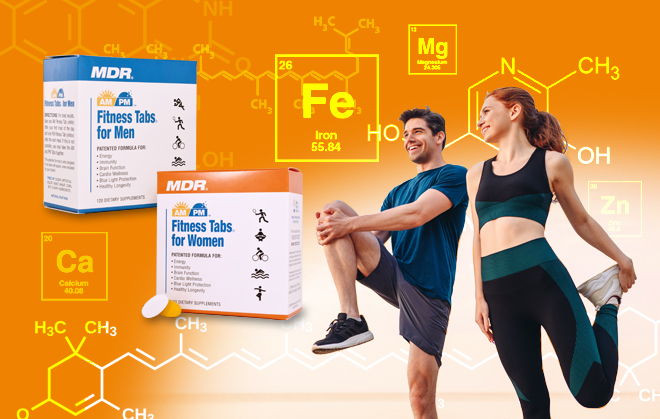
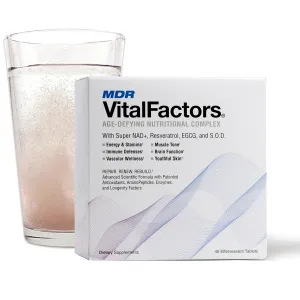
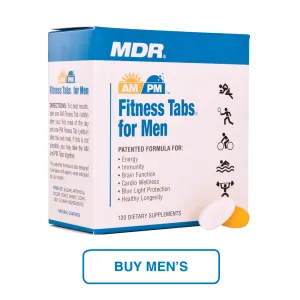
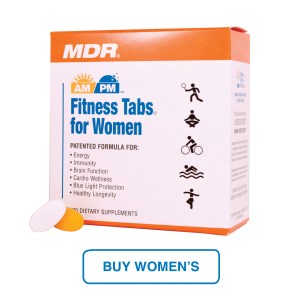
MDR Fitness Tabs are formulated to provide a balanced amount of iron to help meet the differing needs of men and women, while avoiding the risks associated with excess iron. Developed by Medical Doctors based on rigorous research, MDR Fitness Tabs ensure that you receive the optimal amount of iron without overloading your system.
For Men All Ages:
• 8 mg AM / 2 mg PM: This split dosage meets the daily RDA for men, ensuring consistent iron levels throughout the day, allowing for loss, without risking excess accumulation [3].
For Women All Ages:
• 12 mg AM / 3 mg PM: This formulation provides the necessary amount of iron, while balancing the level to serve most women. The formula provides two doses to optimize absorption and minimize side effects. Young women of childbearing age, depending on their diet, may require more iron. [3].
The patented AM/PM formula ensures that iron is absorbed efficiently when the body needs it most, reducing the risk of gastrointestinal discomfort commonly associated with high-dose iron supplements. Additionally, the lower PM dosage aligns with the body’s natural circadian rhythms, supporting better iron utilization and overall wellness.
Why Choose MDR Fitness Tabs?
MDR Fitness Tabs are not just about iron—they provide a comprehensive array of nutrients that work synergistically to support overall health. The careful inclusion of antioxidants, vitamins, and minerals ensures that your body receives balanced nutrition, enhancing energy levels, cognitive function, and immune health.
Key Benefits:
• Patented Formula: Developed by medical doctors, ensuring safety and effectiveness.
• Split Dosing: Provides iron at optimal times to enhance absorption and reduce side effects.
• Balanced Nutrition: Iron is combined with other essential nutrients for holistic health support.
In summary, iron is a critical nutrient for both men and women, but the requirements differ based on various factors. MDR Fitness Tabs are designed to provide the right amount of iron for each gender while maintaining safety and effectiveness through their patented AM/PM formula. By choosing MDR Fitness Tabs, you ensure that your iron levels are well-managed, supporting your energy, health, and overall well-being without the risks of iron overload.
References
1. Chelikani, P., Fita, I., & Loewen, P. C. (2004). Diversity of structures and properties among catalases. *Journal of Biological Chemistry*, 279(50), 50735-50743.
2. National Institutes of Health (NIH). “Iron.” Office of Dietary Supplements, National Institutes of Health. Available at: https://ods.od.nih.gov/factsheets/Iron-HealthProfessional/.
3. World Health Organization (WHO). “Iron Deficiency Anaemia.” World Health Organization. Available at: https://www.who.int/health-topics/anaemia
4. Centers for Disease Control and Prevention (CDC). “Recommendations to Prevent and Control Iron Deficiency in the United States.” Morbidity and Mortality Weekly Report (MMWR) 1998;47(No. RR-3):1-29. Available at: https://www.cdc.gov/mmwr/preview/mmwrhtml/00051880.htm.
5. Guralnik, J. M., Eisenstaedt, R. S., Ferrucci, L., Klein, H. G., & Woodman, R. C. (2009). Iron deficiency and anemia in elderly people: Efficacy of iron supplementation. *European Journal of Internal Medicine*, 20(5), 456-462.
6. Tucker, K. L., Qiao, N., Scott, T., Rosenberg, I., & Spiro, A. (2016). Iron status and cognitive abilities in older adults: a population-based study. *Neurobiology of Aging*, 47, 44-52.
7. Patel, K. V., Longo, D. L., Ershler, W. B., Yu, B., Semba, R. D., Ferrucci, L., & Guralnik, J. M. (2013). Iron deficiency anemia and risk of mortality in the elderly: a meta-analysis. *Journal of the American Geriatrics Society*, 61(8), 1197-1205.